Severe GERD After Gastric Sleeve: When Is Conversion to Gastric Bypass Necessary?
The Gastric Sleeve (Sleeve Gastrectomy) is widely considered one of the most effective and popular bariatric procedures in the world. It provides excellent weight loss results, improves metabolic conditions, and has a relatively straightforward recovery. However, for a specific subset of patients, it introduces a formidable, long-term challenge: Severe Gastroesophageal Reflux Disease (GERD).
While occasional heartburn is normal for many people, severe GERD after a gastric sleeve is a different scenario entirely. It can disrupt your sleep, damage your esophagus, and severely impact your quality of life, regardless of how much weight you have successfully lost.
Many patients try to manage this issue with over-the-counter antacids or prescription proton pump inhibitors (PPIs) for years. But what happens when the medication stops working? Let’s explore why GERD occurs after a sleeve and why converting to a Gastric Bypass might be the permanent solution you need.
Why Does the Gastric Sleeve Cause GERD in Some Patients?
To understand why acid reflux happens, we have to look at the anatomical changes created by the gastric sleeve. During the surgery, roughly 75-80% of the stomach is removed, leaving a narrow, banana-shaped tube.
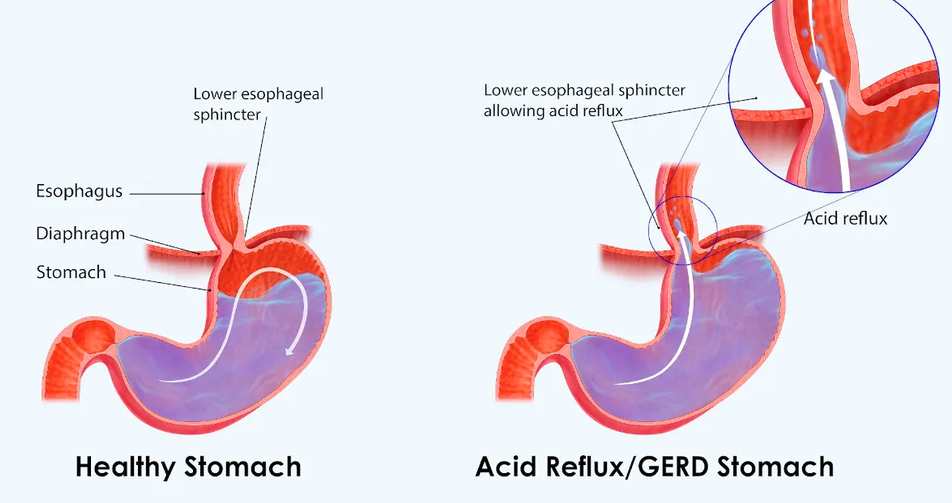
This transformation creates a high-pressure system inside the new stomach. Because the stomach is now much smaller and narrower, the pressure inside it increases. If the lower esophageal sphincter (the valve that separates your esophagus from your stomach) is weak, or if a hiatal hernia develops, the stomach acid has nowhere to go but up.
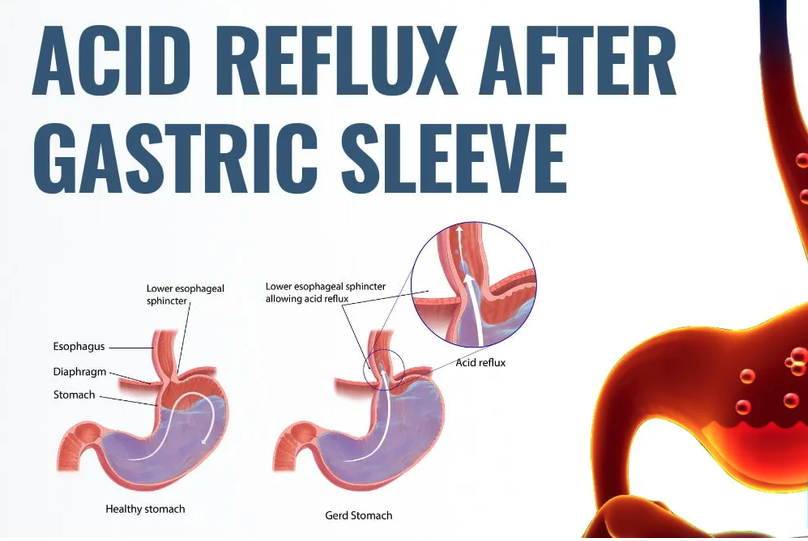
Additionally, the surgical removal of the stomach's fundus—the upper part of the stomach—can alter the natural "Angle of His," which usually helps prevent acid from splashing backward. Together, these anatomical changes make the gastric sleeve a highly effective tool for weight loss, but a potential trigger for reflux in susceptible individuals.
Red Flag Symptoms You Shouldn't Ignore
If you are experiencing any of the following symptoms on a regular basis, despite taking daily acid-reducing medication, it is time to seek a professional medical evaluation:
- Severe Heartburn: A burning sensation in your chest that persists through the day or worsens at night.
- Regurgitation: Waking up in the middle of the night choking or coughing because acid or food has traveled up your throat.
- Dysphagia: Difficulty or pain when swallowing food.
- Dental Issues: Unexplained erosion of your tooth enamel due to chronic acid exposure.
- Voice Changes: Chronic hoarseness or a persistent dry cough.
The Medical vs. Surgical Approach
The first line of defense against post-sleeve GERD is always medical management. This typically involves lifestyle modifications—like avoiding trigger foods, eating smaller meals, and not lying down immediately after eating—paired with daily medications like Omeprazole or Pantoprazole.
For many patients, this is enough to keep the reflux at bay. However, long-term use of high-dose PPIs is not without its own set of risks, including potential impacts on bone density and nutrient absorption. More importantly, when medications fail to control the symptoms, chronic acid exposure can lead to Barrett's esophagus, a pre-cancerous condition caused by prolonged damage to the esophageal lining.
"When medication is no longer effective, or when a patient develops severe inflammation of the esophagus, continuing with a 'wait and see' approach is no longer safe. At this stage, surgical revision becomes a medical necessity."
Why Gastric Bypass is the "Gold Standard" Cure
When converting a Gastric Sleeve to a Roux-en-Y Gastric Bypass (RYGB), we fundamentally change the plumbing of the digestive tract. The Gastric Bypass is renowned worldwide not just as a weight-loss procedure, but as an anti-reflux surgery.
Here is why the conversion works so effectively:
- Creates a Low-Pressure System: The bypass creates a small upper pouch connected directly to the small intestine. This eliminates the high-pressure tube of the gastric sleeve, meaning acid is no longer forcefully pushed upward.
- Diverts Acid and Bile: In a Gastric Bypass, the portion of the stomach that produces the majority of digestive acids is separated from the food pathway. By the time digestive juices mix with your food, they are much further down in the intestinal tract, far away from your delicate esophagus.
- Repairs Associated Hernias: During the conversion surgery, we can also identify and repair any hiatal hernias that may have developed, addressing another major root cause of the reflux.
Evaluating Your Need for Revision
Deciding to undergo a second bariatric surgery is a significant step. At Cervantes Bariatrics, we do not guess; we test. Before recommending a conversion to a Gastric Bypass, our team will conduct a thorough investigation to map out exactly what is causing your GERD.
This evaluation typically includes an Upper Endoscopy to visually inspect the damage to your esophagus, and potentially a Barium Swallow or Manometry test to evaluate the anatomy and muscular function of your current sleeve.
If you are tired of living with the daily pain of severe acid reflux and feel like your gastric sleeve has become a double-edged sword, know that there is a highly effective, surgically proven way out.
Frequently Asked Questions
Is converting a Sleeve to a Gastric Bypass safe?
Yes, when performed by an experienced bariatric revision surgeon. While all surgeries carry risks, revision surgeries are common and highly safe in the hands of specialized bariatric teams. Our comprehensive pre-op testing ensures you are a proper candidate before moving forward.
Will I lose more weight after the conversion?
It depends on your current BMI. If you have regained weight since your initial sleeve surgery, the bypass conversion will typically trigger a new phase of weight loss. However, if your BMI is already normal, our surgical approach will be tailored specifically to cure the GERD while minimizing further, unnecessary weight loss.
How fast will my acid reflux disappear after surgery?
The vast majority of patients experience immediate relief from acid reflux right after waking up from the Gastric Bypass conversion. Because the acid-producing portion of the stomach is diverted, the physical cause of the reflux is instantly removed.
What is the recovery time for a revision surgery?
The recovery for a sleeve-to-bypass conversion is very similar to your original surgery. Most patients stay in our medical facilities for 2 to 3 nights and can return to light desk work within 10 to 14 days. A post-op liquid and puree diet will be required for the first few weeks to allow your new anatomy to heal.
Ready to Say Goodbye to Acid Reflux?
You don't have to live with chronic pain, sleepless nights, or a dependence on antacids. Let our specialized bariatric team evaluate your case and help you reclaim your comfort and health.