
Why Does Gastric Sleeve Cause Acid Reflux Years Later?
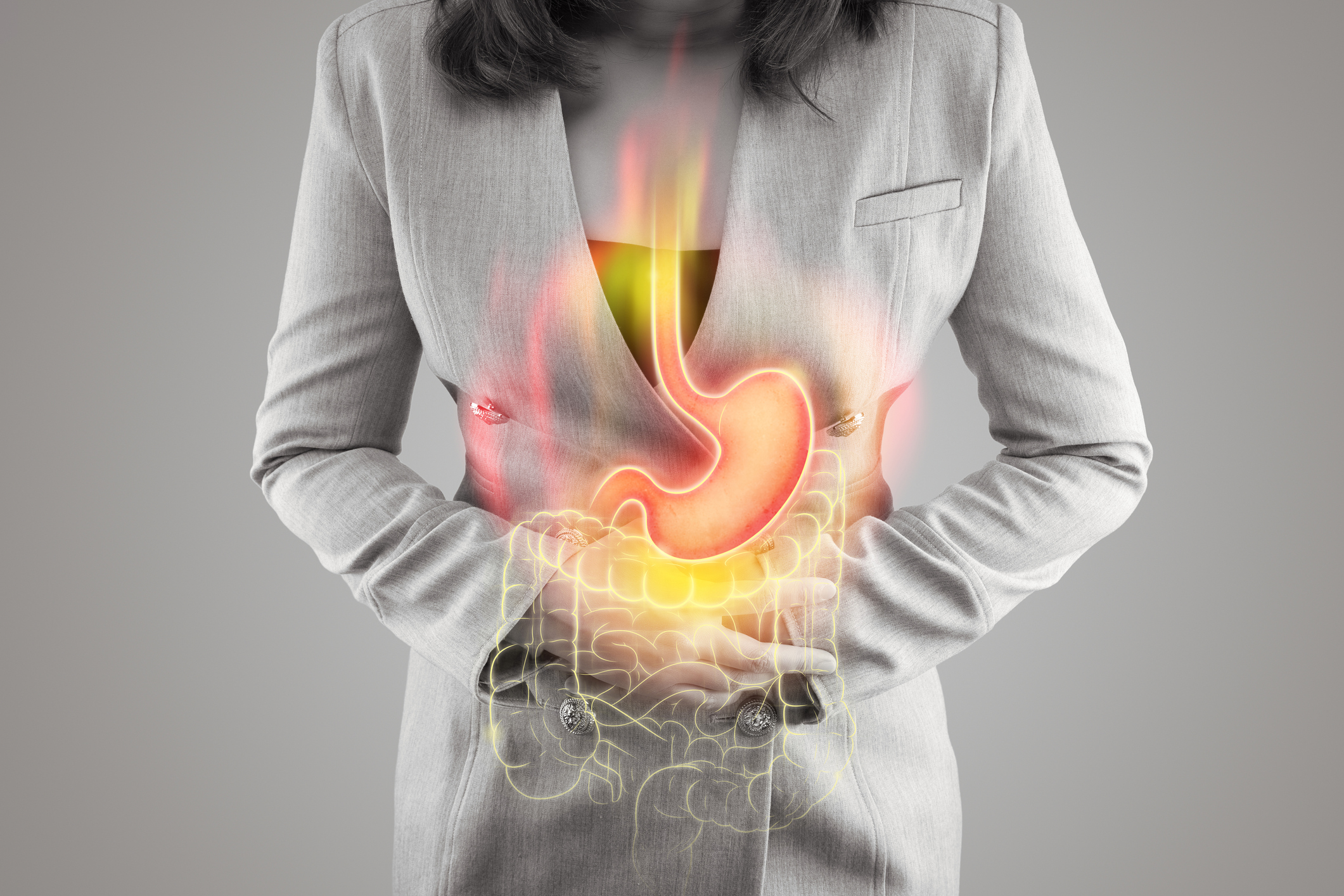
The Gastric Sleeve (Sleeve Gastrectomy) is the most popular bariatric surgery in the world, and for good reason: it yields excellent weight loss results with a relatively straightforward recovery. However, a significant number of patients experience an unexpected complication years down the line: severe, debilitating acid reflux (GERD).
If you are waking up coughing, feeling a burning sensation in your chest, or relying on antacids daily just to function comfortably, you are not alone. Acid reflux after a gastric sleeve is a known clinical phenomenon. But why does a surgery designed to help you lose weight end up causing such severe heartburn?
To understand the solution, we first need to understand the mechanical changes that occurred in your stomach during your original surgery.
The Anatomy of the Sleeve: Why Pressure Matters
Before surgery, your stomach was shaped like a large, relaxed pouch. It acts as a low-pressure reservoir for food. The valve at the top of your stomach (the Lower Esophageal Sphincter, or LES) stays closed to keep stomach acid from splashing up into your esophagus.
During a Gastric Sleeve, approximately 80% of the stomach is removed. What remains is a narrow, banana-shaped tube. By drastically reducing the volume of the stomach, we fundamentally alter its internal pressure.
- A High-Pressure System: The new "sleeve" is a high-pressure tube. Because there is less room for food and gas to expand, the pressure inside the stomach increases significantly.
- Loss of the Fundus: The part of the stomach that was removed (the fundus) naturally helps regulate pressure and produces a hormone that aids in stomach emptying. Without it, the stomach can empty slower in some patients, causing acid to pool.
- Altered Angles: The surgical alteration can change the natural angle (the Angle of His) where the esophagus meets the stomach, weakening the anti-reflux barrier.
This high pressure pushes stomach acid upward against the esophageal valve. Over months and years, that constant upward pressure can weaken the valve, allowing acid to escape into the esophagus, causing GERD.
Normal Heartburn vs. Severe GERD
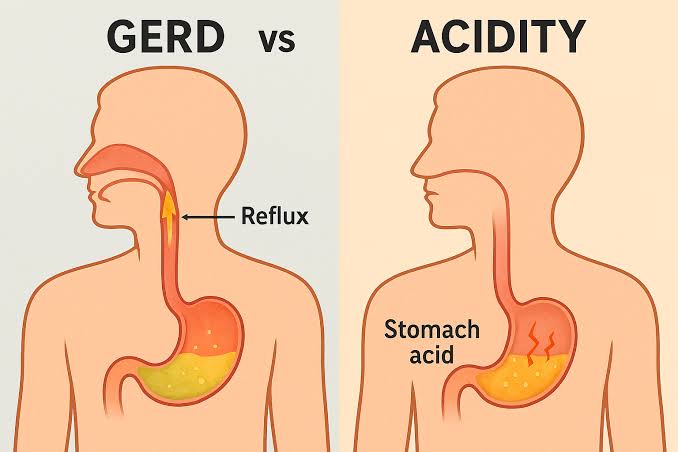
It is important to distinguish between occasional heartburn and true Gastroesophageal Reflux Disease (GERD). Many people experience mild acidity if they eat spicy food or eat too close to bedtime.
Post-Sleeve GERD is different. It is chronic, aggressive, and often resistant to over-the-counter medications. Symptoms include:
- A persistent burning sensation in the chest or throat.
- Regurgitation of food or sour liquid, especially when bending over or lying down.
- Chronic coughing, hoarseness, or asthma-like symptoms (caused by acid micro-aspiration into the lungs).
- Difficulty or pain when swallowing.
The Danger of Ignoring GERD
Chronic acid exposure in the esophagus is not just uncomfortable; it is dangerous. Over time, it can lead to esophagitis (inflammation), strictures (scarring that narrows the esophagus), and a condition called Barrett's Esophagus, which increases the risk of esophageal cancer. You cannot simply "live with" severe GERD.
The Hiatal Hernia Factor
In many cases, patients who develop severe GERD after a sleeve also have a Hiatal Hernia. This occurs when the upper part of the stomach pushes up through the diaphragm and into the chest cavity. This completely compromises the esophageal valve. If a hiatal hernia wasn't diagnosed or repaired during the initial sleeve surgery, the high pressure of the new sleeve will almost certainly exacerbate it.
How to Cure GERD After a Gastric Sleeve
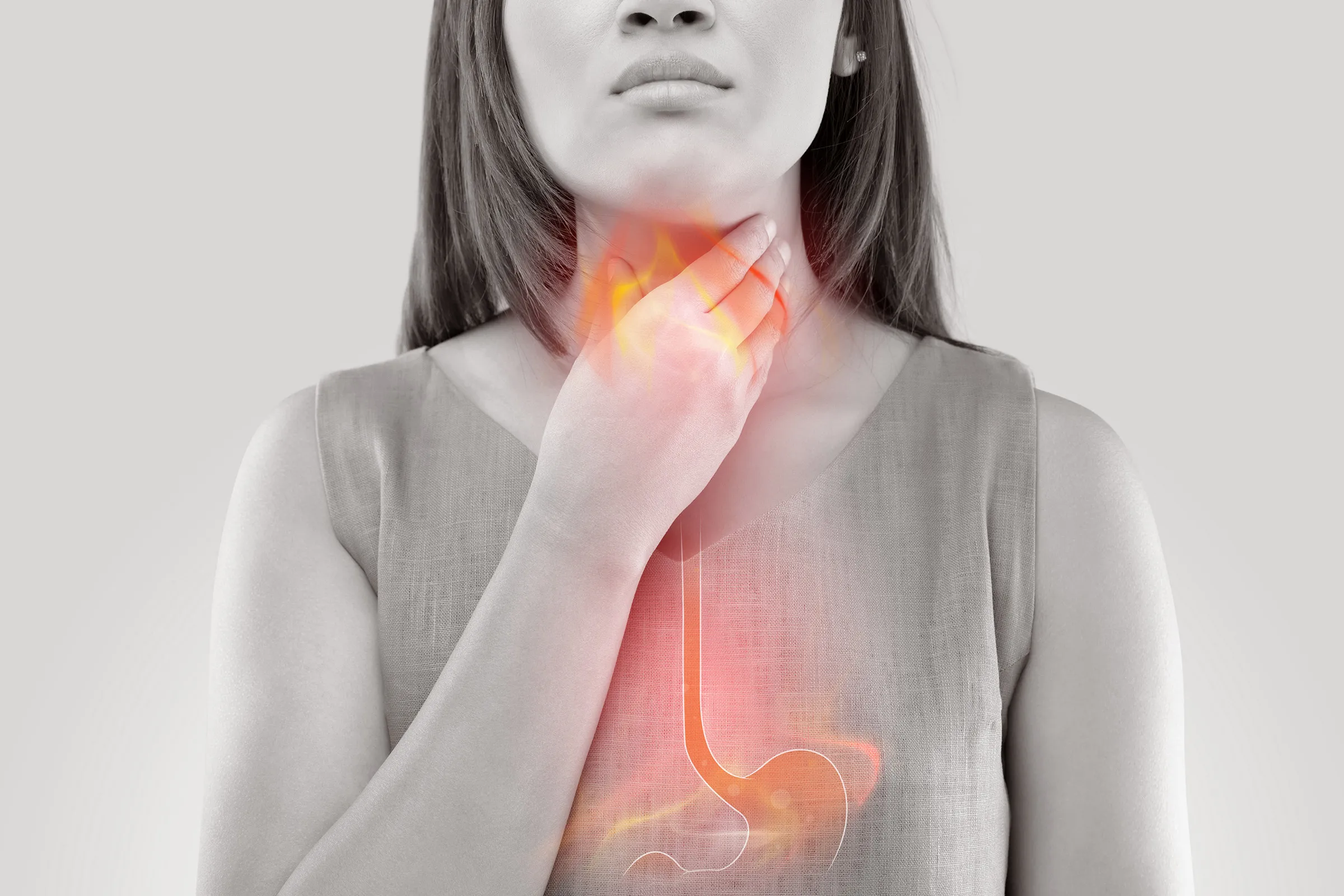
Many patients try to manage post-sleeve GERD with daily Proton Pump Inhibitors (PPIs) like omeprazole. While this can reduce the acid, it does not fix the broken valve or the high-pressure system. You are still refluxing stomach contents; they are just less acidic. Long-term PPI use also carries its own health risks.
The definitive, medical gold standard for curing severe GERD after a Gastric Sleeve is a Revisional Surgery: Conversion to a Roux-en-Y Gastric Bypass (RYGB).
Why the Bypass is the Cure:
Converting a sleeve to a bypass is a mechanical solution to a mechanical problem. By turning the top of the sleeve into a tiny pouch and rerouting the intestines, we accomplish two things instantly:
- Elimination of Pressure: The bypass is a low-pressure system. Gravity easily pulls food and liquid down into the intestines.
- Acid Diversion: We bypass the acid-producing portion of the stomach. The bile and digestive juices now mix with your food much further downstream in the intestines, making it physically nearly impossible for them to reach your esophagus.
For over 90% of patients, converting to a Gastric Bypass provides immediate and permanent relief from GERD symptoms, while also offering a secondary boost in weight loss.
"Medication is a band-aid for post-sleeve GERD. Conversion to a Gastric Bypass is the definitive mechanical cure. You do not have to live with the burn."
Ready to Stop the Burn?
If daily antacids are failing you and GERD is affecting your sleep and quality of life, it's time to evaluate your anatomy. Schedule a consultation to discover if converting your sleeve to a bypass is the right solution for you.